Dr. Guanhua Zhang (张冠华)

I am an Applied Scientist at Zalando, working on fraud detection in transactions.
I achieved my PhD degree with magna cum laude in Feb 2025, from the Institute for Visualisation and Interactive Systems at University of Stuttgart, supervised by Prof. Dr. Andreas Bulling. I was also affiliated with the International Max Planck Research School for Intelligent Systems (IMPRS-IS), guided by the thesis advisory committee consisting of Prof. Andreas Bulling, Prof. Dr. Steffen Staab and Prof. Dr. Katherine J. Kuchenbecker.
I got my master’s degree in computer science and technology in June 2020, from Department of Computer Science and Technology at Tsinghua University, supervised by Prof. Yong-jin Liu, and a bachelor’s degree in computer science and technology in June 2017 from the School of Computer Science at Beijing University of Posts and Telecommunications.
My research interests are in applied machine learning, including user modeling, affective computing, and representation learning.
Selected Publications
- CHI’25
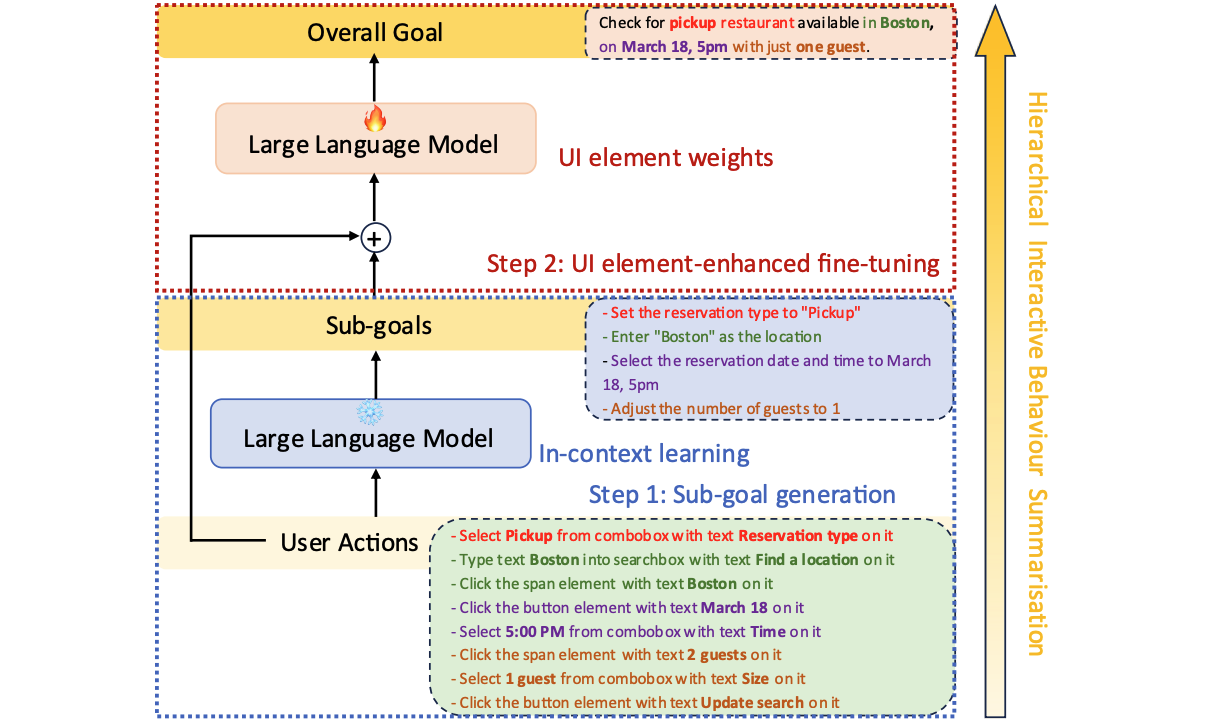 SummAct: Uncovering User Intentions Through Interactive Behaviour SummarisationIn Proc. ACM SIGCHI Conference on Human Factors in Computing Systems (CHI), 2025
 - IEEE TVCG
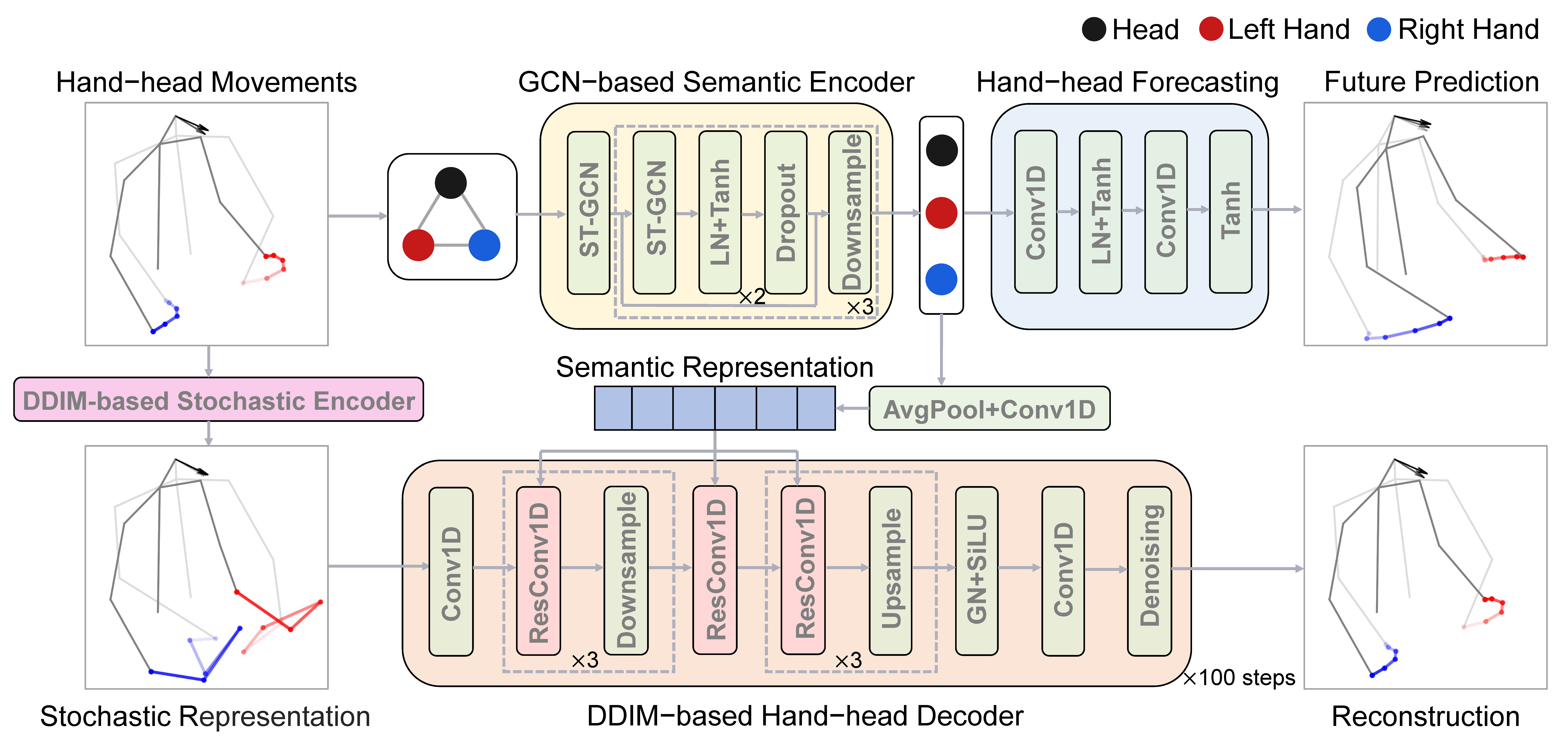 HaHeAE: Learning Generalisable Joint Representations of Human Hand and Head Movements in Extended RealityIEEE Transactions on Visualization and Computer Graphics (TVCG, IF=6.5), 2025
 - ACM TiiS
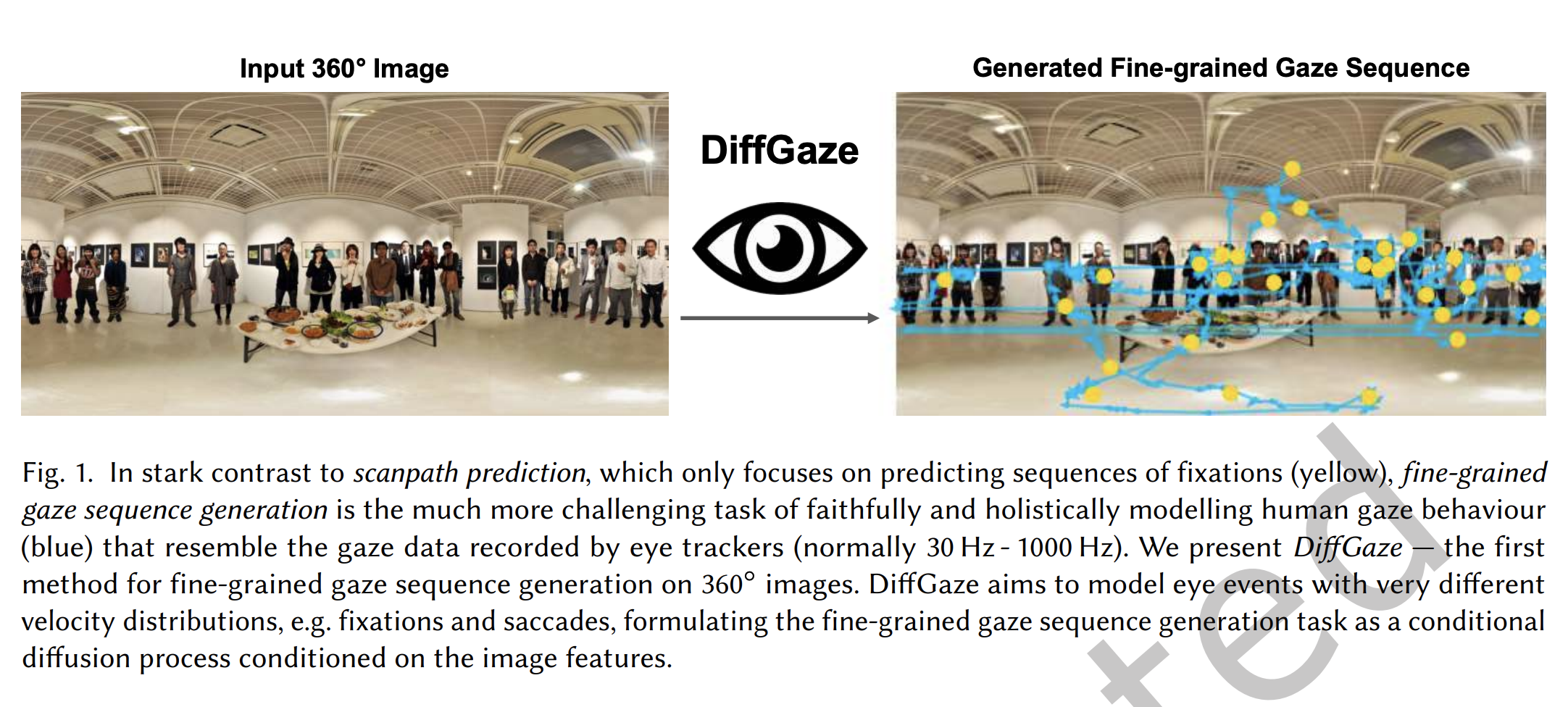 DiffGaze: A Diffusion Model for Modelling Fine-grained Human Gaze Behaviour on 360° ImagesACM Transactions on Interactive Intelligent Systems (TiiS), 2025
 - UIST’24
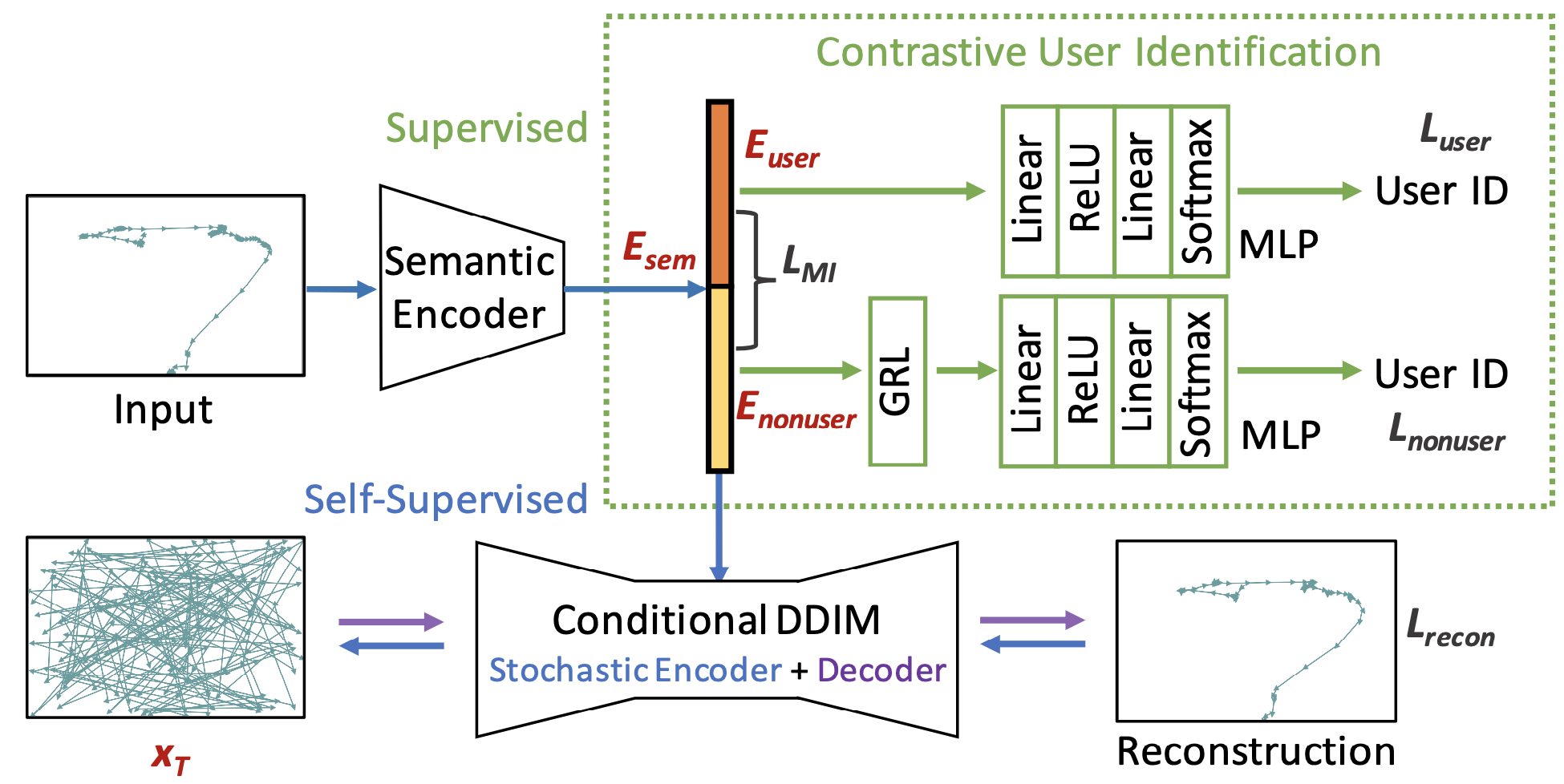 DisMouse: Disentangling Information from Mouse Movement DataIn Proc. ACM Symposium on User Interface Software and Technology (UIST), 2024
 - CHI’24
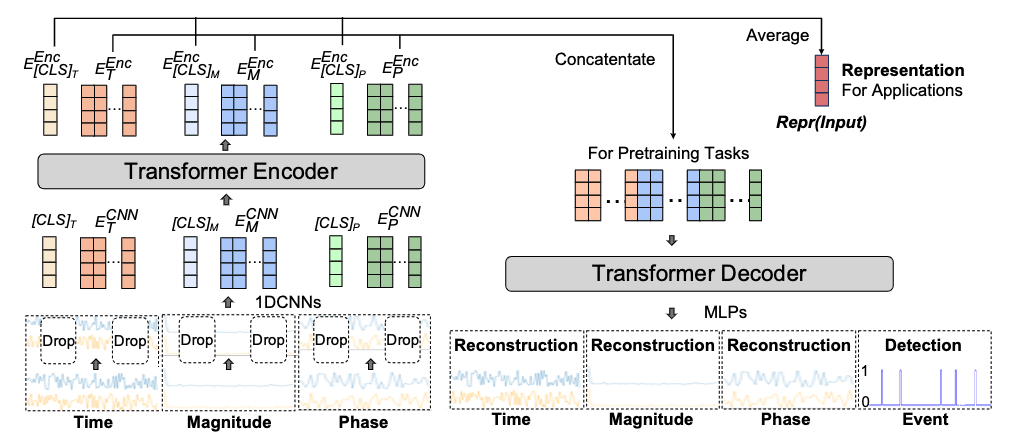 Mouse2Vec: Learning Reusable Semantic Representations of Mouse BehaviourIn Proc. ACM SIGCHI Conference on Human Factors in Computing Systems (CHI), 2024
 - INTERACT’23
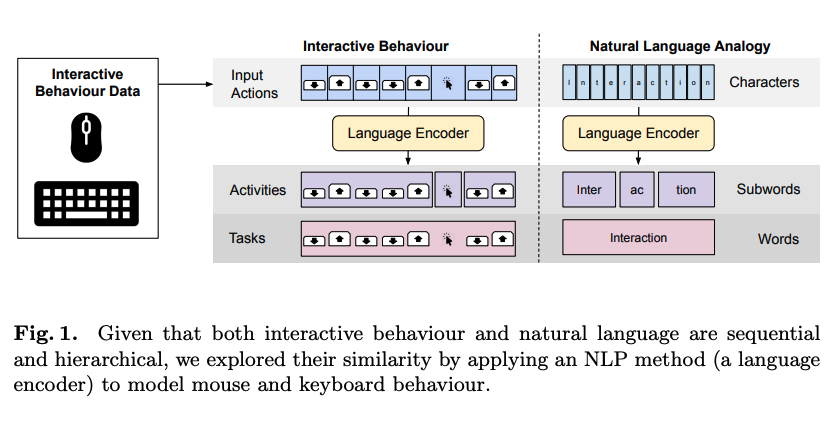 Exploring Natural Language Processing Methods for Interactive Behaviour ModellingIn Proc. IFIP TC13 Conference on Human-Computer Interaction (INTERACT), 2023Nominated for Best Doctoral Student Paper Award PDF
 - IEEE TAFFC
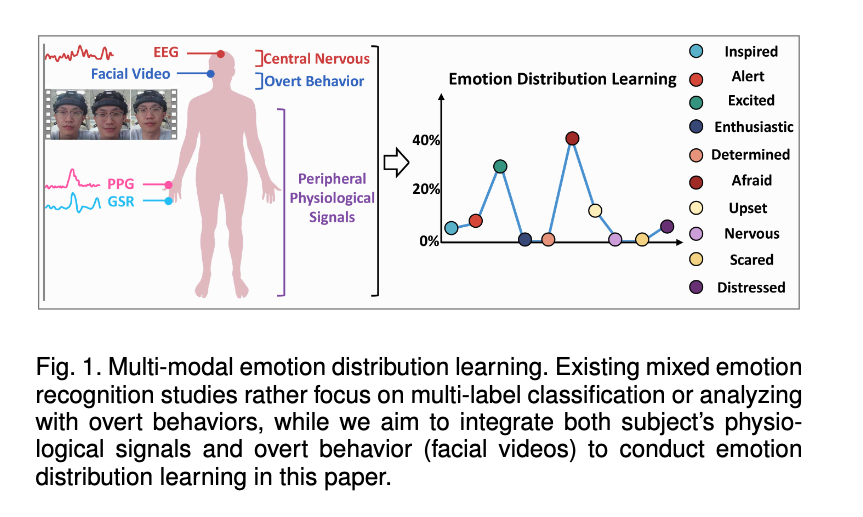 Emotion Dictionary Learning with Modality Attentions for Mixed Emotion ExplorationIEEE Transactions on Affective Computing (TAFFC, IF=9.8), 2023
 - CHI’22 Workshop
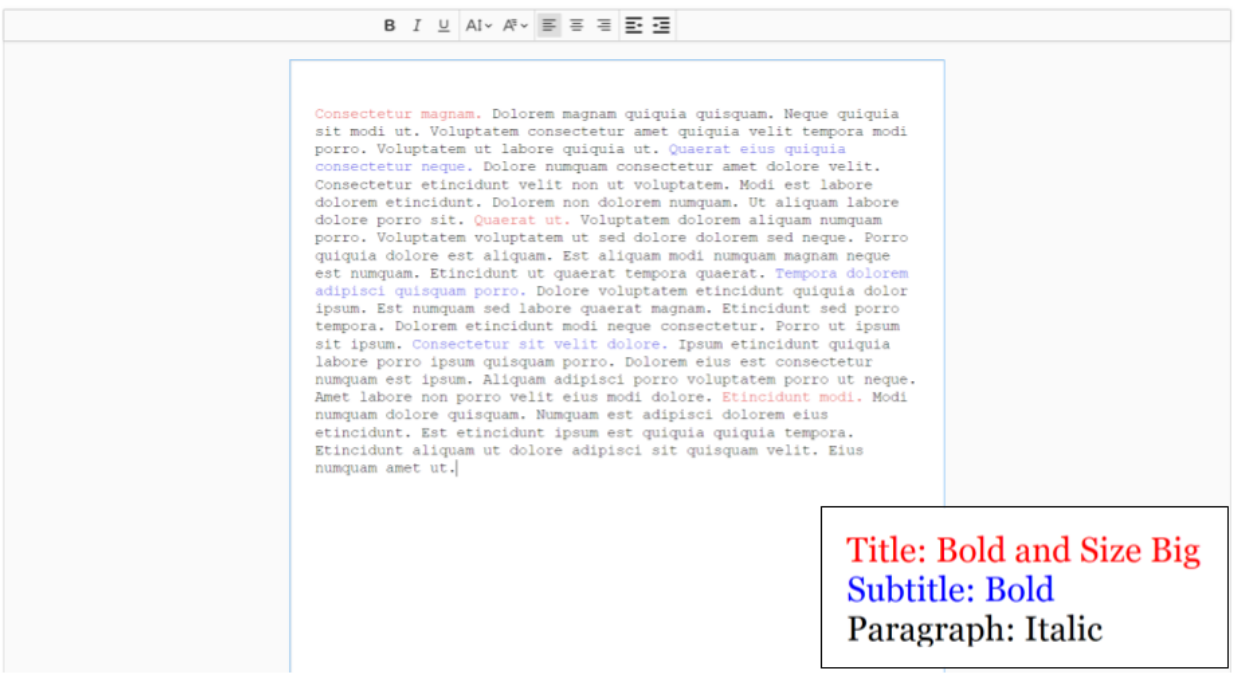 Predicting Next Actions and Latent Intents during Text FormattingIn Proc. the CHI Workshop Computational Approaches for Understanding, Generating, and Adapting User Interfaces, 2022
 - MM’21
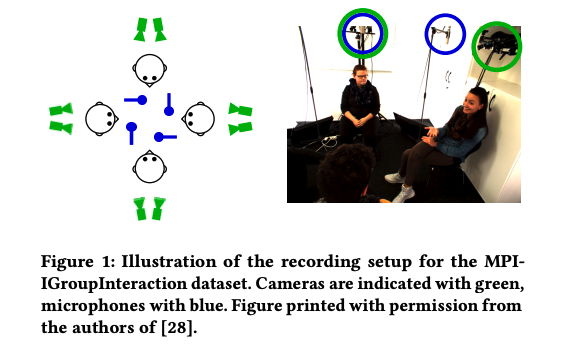 MultiMediate: Multi-modal Group Behaviour Analysis for Artificial MediationIn Proc. ACM Multimedia (MM), 2021
 - IEEE TAFFC
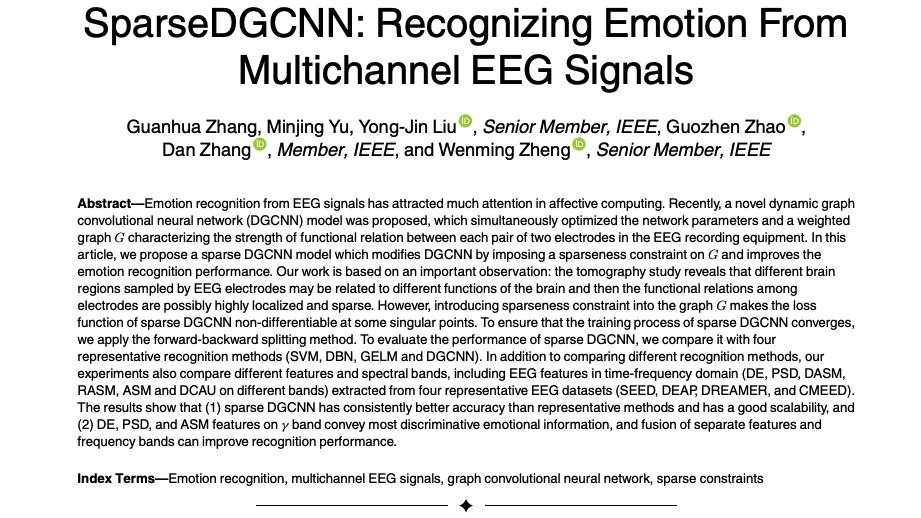 SparseDGCNN: Recognizing Emotion from Multichannel EEG SignalsIEEE Transactions on Affective Computing (TAFFC, IF=9.8), 2021
 - IEEE TAFFC
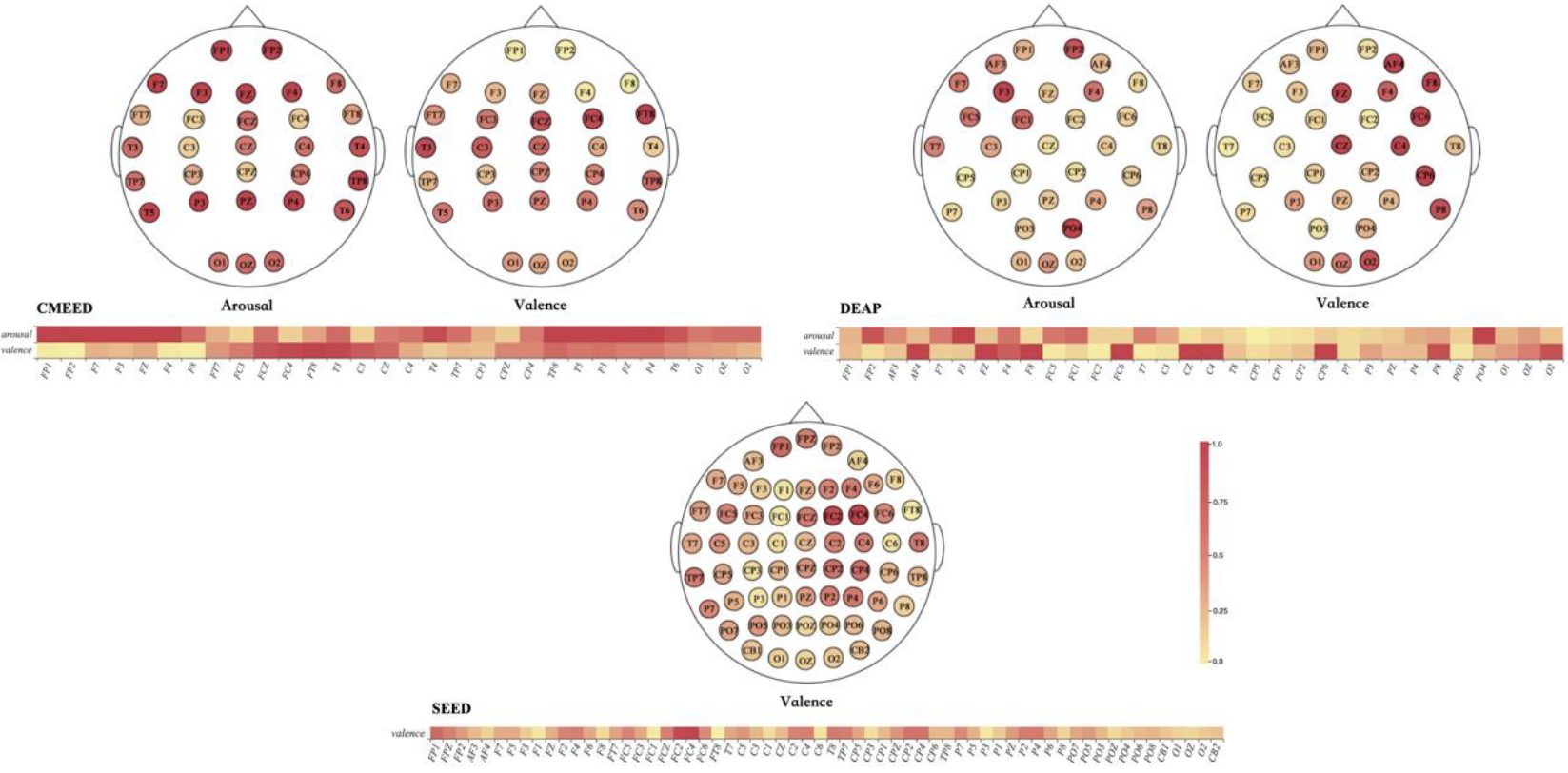 An Efficient LSTM Network for Emotion Recognition from Multichannel EEG SignalsIEEE Transactions on Affective Computing (TAFFC, IF=9.8), 2020
 - IEEE TAFFC
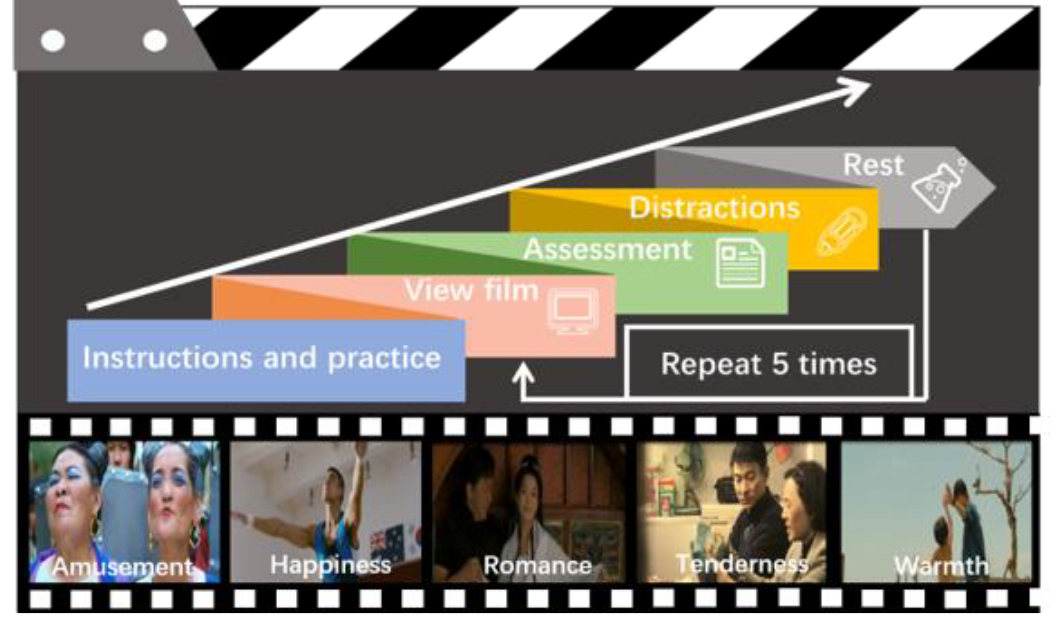 Multi-target Positive Emotion Recognition from EEG SignalsIEEE Transactions on Affective Computing (TAFFC, IF=9.8), 2020
 - 中国科学:信息科学
 A Review of EEG Features for Emotion Recognition (in Chinese)SCIENTIA SINICA Informationis, 20192021 Hot Paper PDF


Academic Service
| Reviewer | CHI, UIST, IMWUT, MobileHCI, INTERACT, ETRA, CogSci, Cognitive Computation, VRIH |
|---|---|
| Organiser | Multimediate Grand Challenge at ACM MM’23 ‘21 |
| Program Committee | EmoRec EEG Workshop at ACII’24 |
| Student Volunteer | ETRA’21 |